

Introduction
Control cables are an essential component in various industries, providing the means to transmit signals and control systems for machinery and equipment. Proper grounding of control cables is crucial to ensure the safety, reliability, and optimal performance of these systems. In this article, we will explore the importance of control cable grounding, the potential risks of improper grounding, and best practices for achieving effective grounding solutions.
Understanding Control Cable Grounding
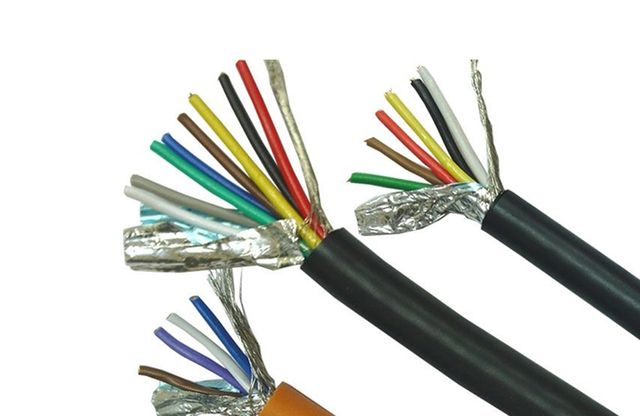
Control cables are used to connect control devices, such as sensors, actuators, and controllers, to the main control system. These cables carry signals that are critical for the operation of machinery and equipment in industrial settings. Grounding is the process of connecting the metal shielding or conductive elements of the control cables to the earth or a suitable grounding point. This is done to provide a path for electrical currents to flow safely to ground in the event of a fault or surge.
Proper grounding of control cables serves several important purposes:
1. Safety: Grounding helps to protect personnel from electric shock hazards by providing a low-resistance path for fault currents to dissipate safely to ground.
2. Equipment Protection: Grounding helps to protect sensitive electronic equipment from damage caused by electrical surges, static electricity, and electromagnetic interference.
3. Signal Integrity: Effective grounding helps to minimize signal distortion and interference, ensuring reliable communication between control devices and the main control system.
Potential Risks of Improper Grounding
Improper grounding of control cables can lead to a range of safety and operational risks, including:
1. Electric Shock Hazards: Without proper grounding, fault currents may flow through unintended paths, increasing the risk of electric shock to personnel working with the equipment.
2. Equipment Damage: Inadequate grounding can result in damage to electronic components, leading to malfunctions, system failures, and costly repairs.
3. Signal Interference: Poor grounding can introduce noise and interference in control signals, affecting the accuracy and reliability of the control system.
4. Fire Hazards: In the absence of proper grounding, electrical faults can create sparks or overheating, potentially leading to fire hazards in the workplace.
Best Practices for Control Cable Grounding
To ensure the safety and reliability of control systems, it is essential to follow best practices for control cable grounding. Some key guidelines include:
1. Use Proper Grounding Techniques: Follow industry standards and guidelines for grounding control cables, ensuring that the metal shielding or conductive elements are connected securely to a suitable grounding point.
2. Maintain Low Resistance: Ensure that the grounding connections have low resistance to facilitate the safe dissipation of fault currents to ground. Regularly test https://www.jiangyuancables.com/waterproof-rubber-sheathed-flexible-cable/ grounding system to verify its effectiveness.
3. Separate Grounding Systems: Avoid sharing grounding systems between power cables and control cables to prevent interference and ensure the integrity of control signals.
4. Grounding Bonding: Use bonding techniques to connect all metal components of the system to a common ground point, minimizing the risk of potential differences and ensuring uniform grounding throughout the system.
5. Grounding Protection Devices: Install surge protection devices, such as grounding rods, surge suppressors, and isolation transformers, to protect equipment from electrical surges and transient voltages.
6. Regular Maintenance: Conduct regular inspections and maintenance of the grounding system to identify and address any issues promptly. Ensure that all connections are secure and free from corrosion or damage.
Conclusion
Control cable grounding is a critical aspect of ensuring the safety, reliability, and optimal performance of control systems in industrial settings. By following best practices for control cable grounding, including proper techniques, low resistance connections, separate grounding systems, bonding, protection devices, and regular maintenance, organizations can mitigate the risks associated with improper grounding and maintain a safe working environment. Prioritizing control cable grounding not only protects personnel and equipment but also contributes to the overall efficiency and productivity of industrial operations.